SIBERIAN ELM
Ulmus pumila

Plant Characteristics
Height:
Up to 70’
Bark:
Light gray with irregular furrows
Leaves:
Dark green, serrated edges
Flower:
Red to white
Bloom Time:
Early to mid springIt is easy to identify Siberian elm from native trees because of their small leaves. This plant tolerates a wide range of growing conditions, making it able to grow almost anywhere. Due to fast development and germination of seeds, dense thickets form rapidly, displacing native vegetation and reducing forage for native fauna.

Spot Spray
Spot spray with herbicide.

Hand Pull
Hand pull seedlings.

Cut
Cut the tree down and apply herbicide.
Cultural Plant Alternatives:
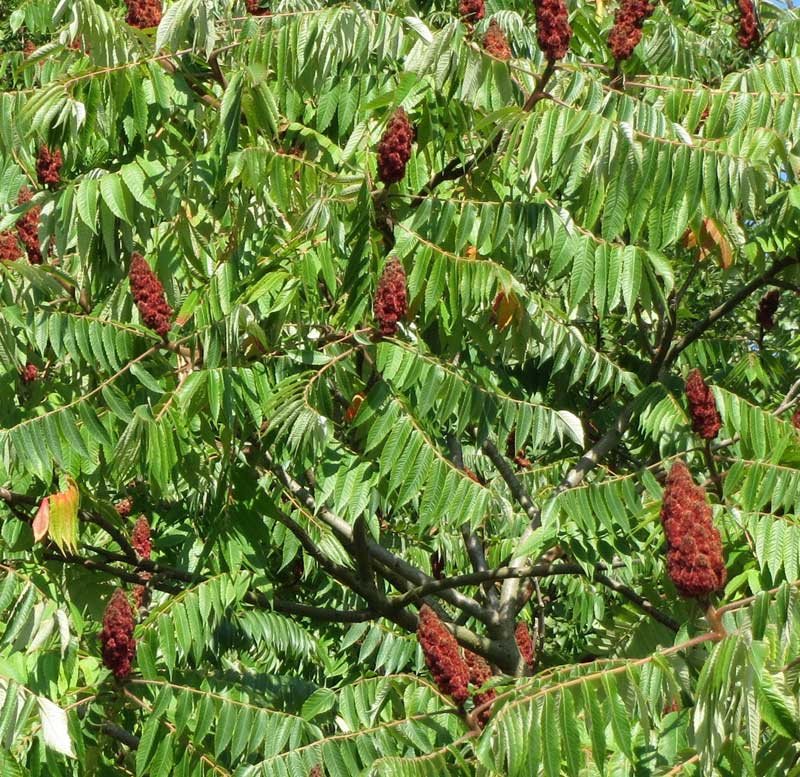
Staghorn Sumac
This deciduous shrub bears vibrant red to orange leaves in the fall. The berries were often used as a warm and cool beverage but are typically not eaten raw. Since the berries remain on the shrub into the winter months, many birds use it as a food source.
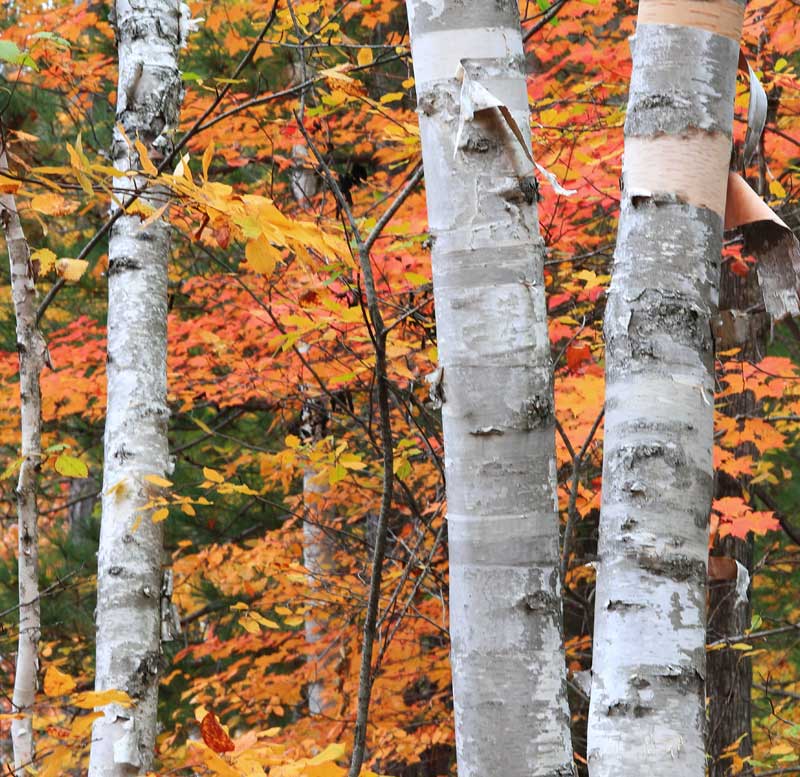
Paper Birch
The birch tree has historic uses in making canoes and baskets. The bark has remarkable waterproofing ability and is rot resistance. The bark is a great fire starter and can be bound to make torches.