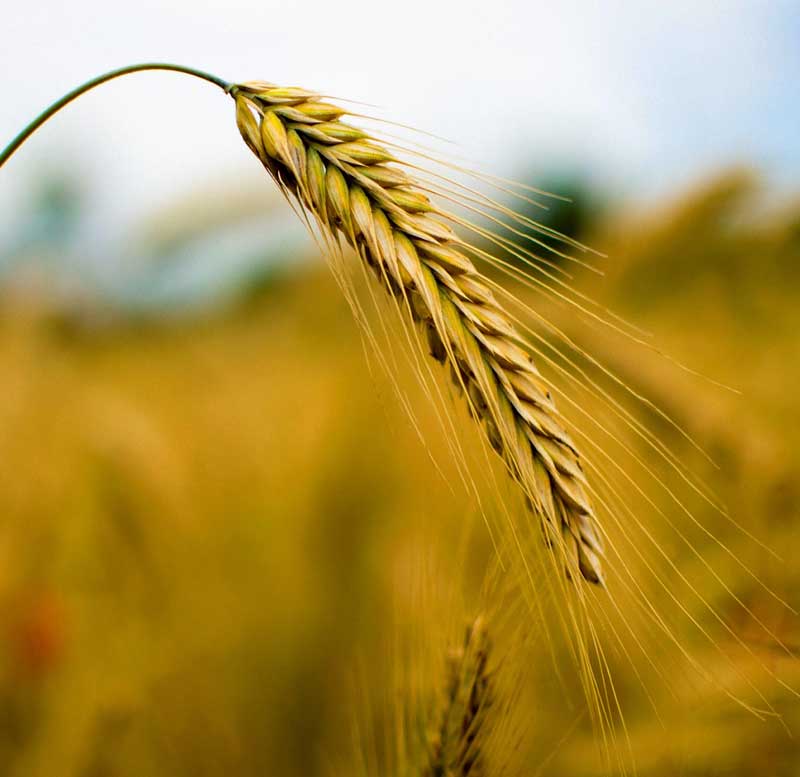
REED CANARY GRASS
Phalaris arundinacea

Plant Characteristics
Height:
2' - 5'
Stem:
Smooth
Leaves:
Alternate, narrow
Flower:
Seed heads
Bloom Time:
Late spring to early summerThis is perhaps the single most destructive, invasive wetland species in Minnesota to date. The stems and leaves eventually collapse into a sprawling mat that is difficult to traverse by humans and wildlife alike. Seeds can germinate immediately after maturation or the following season. The species can form dense, single species stands, edging out native plants entirely.

Spot Spray
Spot spray with herbicide.

Hand Pull
Hand pull small patches.

Mow
Mowing three times per year close to the ground can be effective.
Cultural Plant Alternatives:
Canada Wild Rye
This was the main food source for buffalo that spread across the plains. The seeds can be collected and are edible when boiled with soup or porridge. The seeds can also be ground for flour.
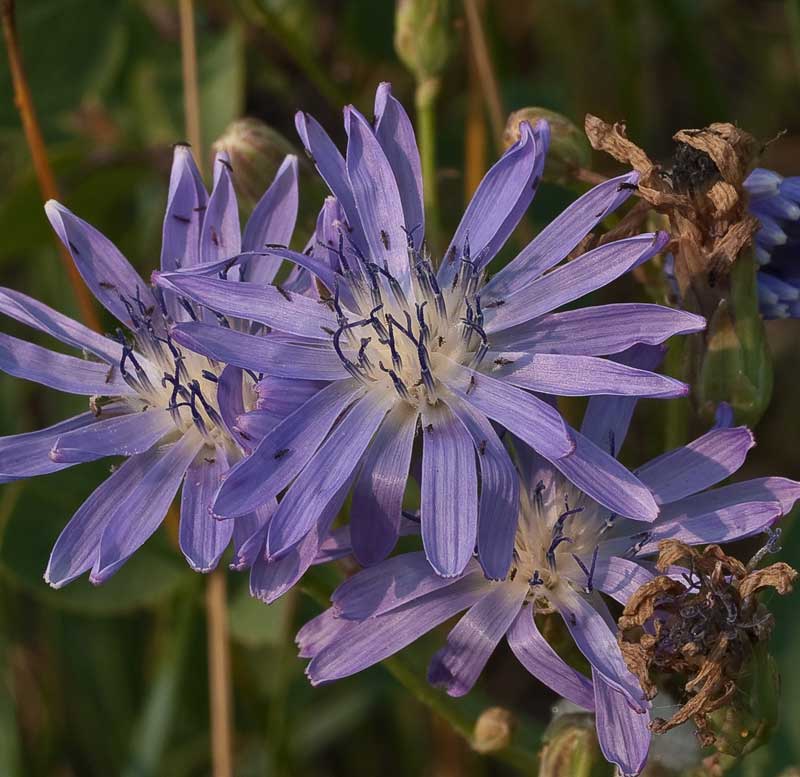
Showy Blue Lettuce
These blue daisy like flowers look similar to those of the chicory plant but are much smaller. Leaves were traditionally used as food and the milky sap used as gum. Decoctions of the roots can be used for body pains, vomiting, diarrhea.