RED CLOVER
Trifolium pratense

Plant Characteristics
Height:
6" - 36"
Stem:
Hairy
Leaves:
Dark green with light green center chevron
Flower:
Tubular, pinkish purple
Bloom Time:
April to JuneThis plant was widely introduced as an agricultural forage species as it occurs in native habitats occasionally. It is slightly to moderately aggressive found in grassy areas that are often not mowed. It can be hand pulled and dried to be used for medicinal purposes.

Spot Spray
Spot spray with herbicide.

Hand Pull
Hand pull small patches.

Organic Method
Covering the smaller plants can be effective to reduce their exposure to light.
Cultural Plant Alternatives:
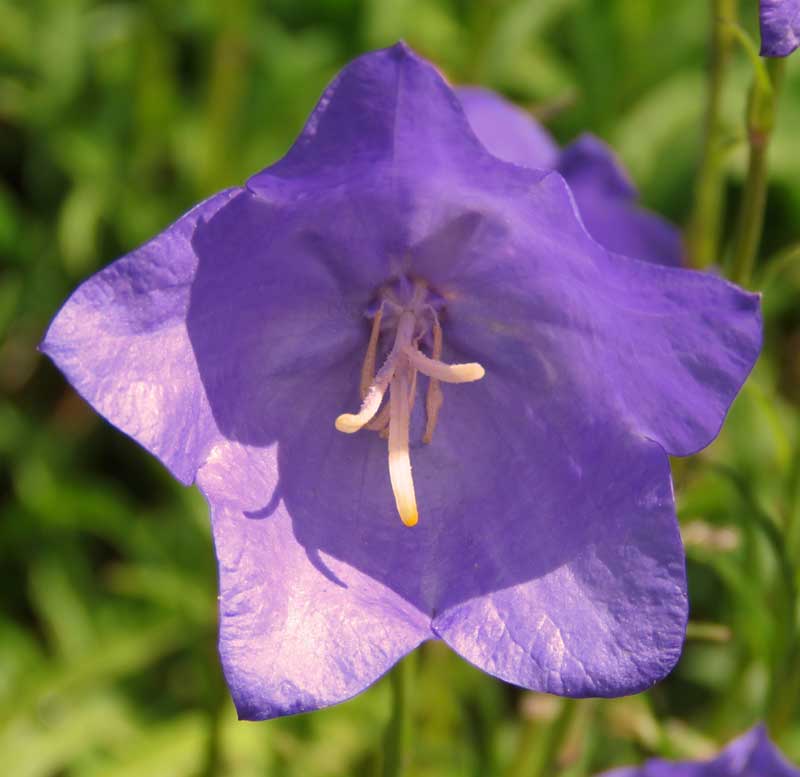
Harebell
This small, slender herb grows in hard to reach areas and can adapt well to rocky soil. The leaves of the plant can be washed and used in salads while the roots have a radish like quality that can be eaten. The root extracts have been known to cure earaches and treat sore eyes.
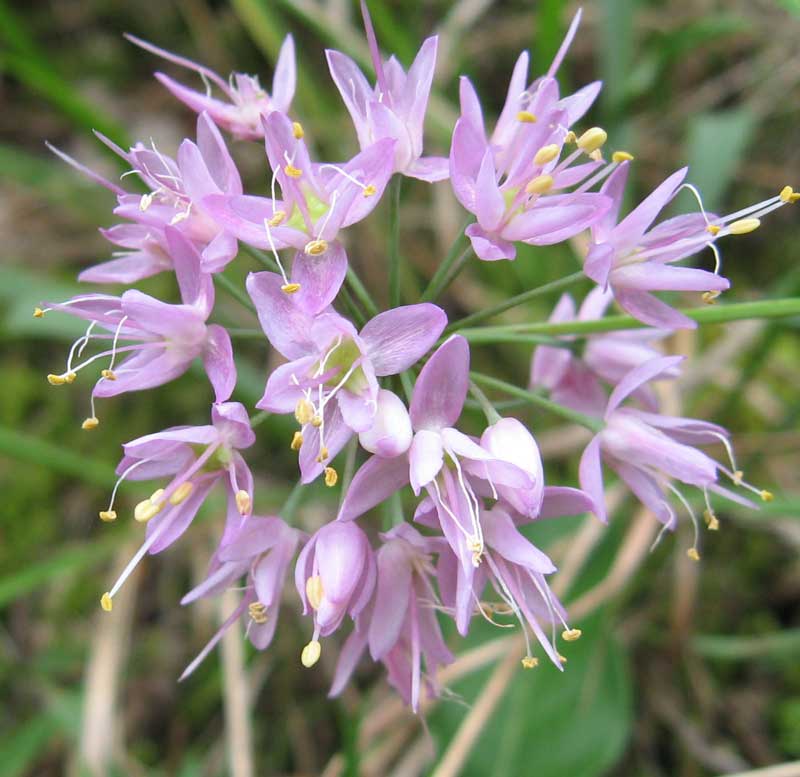
Prairie Wild Onion
This prairie plant grows well in sandy or gravelly soils. The bulbs can be eaten raw or cooked. They contain sulphur compounds that, when eaten on a regular basis, have shown improvements in blood cholesterol levels.